
Nutrition Labels
Front labels sell. Back labels tell. Flip the package. Your body reads every ingredient—even if you don't.
Mama Santelli
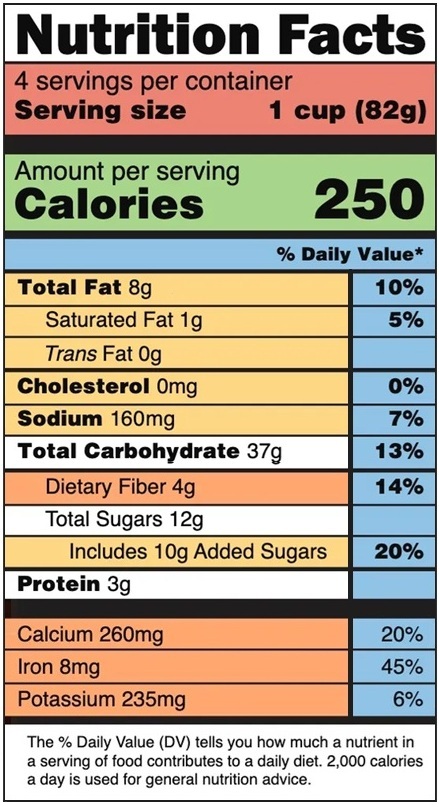
Making informed food choices is an important part of managing and preventing diabetes. One of the best tools to help you choose healthier foods is the Nutrition Facts label found on packaged foods. If the claims on food packages seem confusing, you’re not alone. This guide explains what the most important parts of the label mean.
Ingredient List
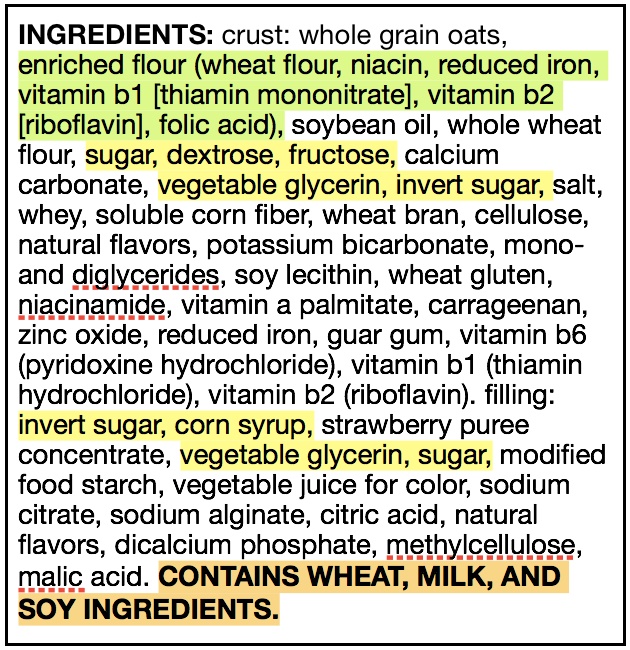
Why it matters: Ingredients are listed from most to least by weight.
How to choose wisely:
- Look for whole-food ingredients near the top of the list.
- Choose products with whole grains instead of refined grains when possible.
- Be mindful of multiple forms of added sugar.
- A shorter ingredient list isn't always healthier, but it can make products easier to evaluate.
Serving Size
Why it matters: All of the nutrition information is based on this amount. If you eat more (or less) than the serving size, you'll consume proportionally more (or fewer) calories and nutrients.
How to use it when comparing products:
- Compare products using the same serving size whenever possible.
- Check how many servings are in the package—many packages contain multiple servings.
- Ask yourself if the serving size reflects how much you'll actually eat.
Calories
Why it matters: Calories measure how much energy the food provides. Choosing foods with an appropriate calorie level can help you meet your nutrition goals.
How to use it when comparing products:
- Compare calories per serving.
- Consider whether higher calories come from nutritious ingredients (nuts, seeds, whole grains) or from added sugars and fats.
- A lower-calorie product isn't automatically healthier if it's low in nutrients.
% Daily Value (%DV)
Why it matters: The % Daily Value shows whether a serving contains a little or a lot of a nutrient. The footnote explains that the % Daily Value is based on a 2,000-calorie diet. Your individual needs may be higher or lower depending on your age, sex, activity level, and health goals.
General guideline:
- 5% DV or less = Low
- 20% DV or more = High
How to use it when comparing products:
- Choose foods low in nutrients you should limit (saturated fat, sodium, added sugars).
- Choose foods high in beneficial nutrients (fiber, calcium, iron, potassium, vitamin D).
Limit These Nutrients
Why it matters: Too much of these nutrients may increase your risk of chronic diseases over time.
When choosing ingredients, look for:
- Lower saturated fat to support heart health.
- 0 grams trans fat whenever possible.
- Lower sodium, especially if comparing canned or processed foods.
- Lower added sugars, particularly in cereals, yogurt, sauces, and beverages.
Good rule of thumb: If two products are similar, choose the one with the lower amounts of these nutrients.
Get Enough of These Nutrients
Why it matters: Many people don't consume enough of these nutrients.
Look for products that provide:
- Fiber – supports digestion and helps you feel full.
- Protein – helps maintain muscle and keeps you satisfied.
- Calcium – support healthy bones.
- Iron – helps transport oxygen throughout the body.
- Potassium – supports healthy blood pressure and muscle function.
Tip: A higher %DV for these nutrients is generally a positive feature.